

Dhealthwellness.com – Severe inflammation of the Gastric Body Antrum is often indicative of Helicobacter pylori infection. The gastric antrum displays scattered subepithelial hemorrhage and exudate. In some cases, an abscess can form. The antrum is extremely friable and is often mottled. Infiltration of neutrophils is also evident. In a close-up view, nodularity and diffuse ulceration can be seen on the lesser curve.
Body Parts Antrum and Stomach with GERD are more Affected
In another study, Eos counts of the mucosa of the duodenum, gastric antrum, and colon were measured. The results of this study indicated that the antrum and gastric mucosa of patients with functional disorders had a higher Eos count than those of controls. The researchers classified 102 patients with functional GERD into two groups: group B and group C. The antrum and gastric body portion of patients with GERD were more affected than those without the disorder.
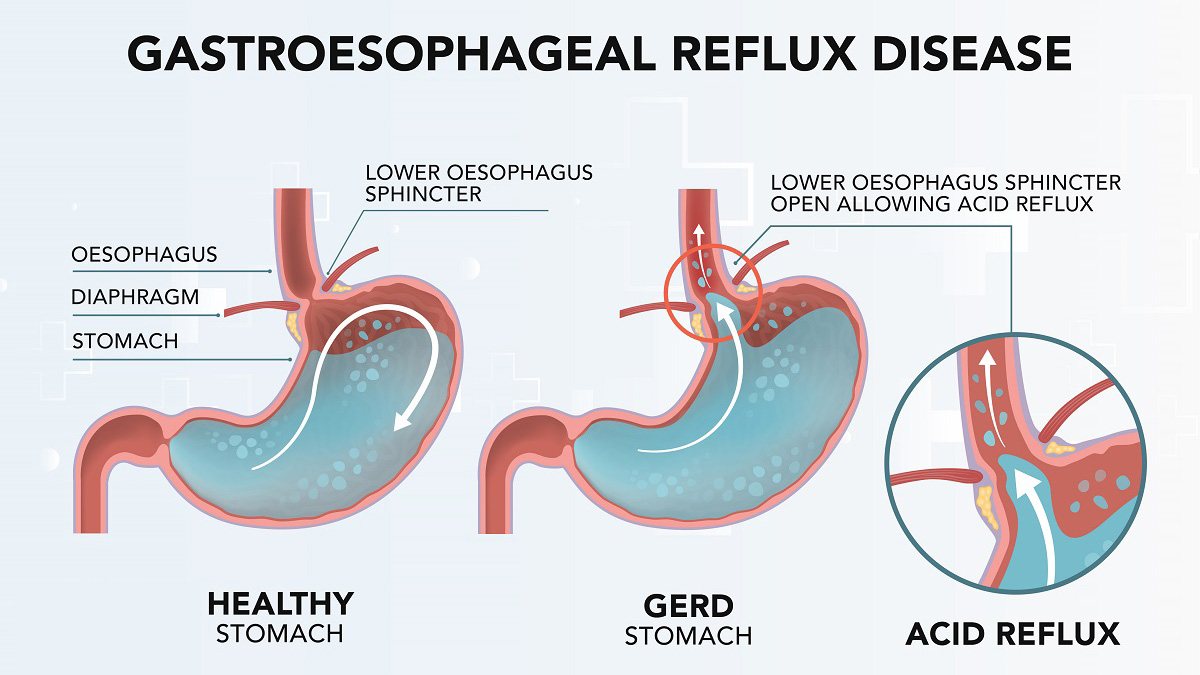
A 70-year-old female patient was admitted to a hospital for 10 days of hematemesis. Her hematemesis was 150 ml in volume and she had melena but no fresh blood in her stool. A gastroscopy revealed two wide-base polyps in the greater curvature of the gastric body/antrum junction. The larger one was 2 x 1.8 cm and the smaller one was 0.8 x 1 cm and slightly flattened. A third polyp was located in the minor curvature of the cardia, 41 cm from the incisor teeth.
Large Polyps in Gastric Corpus are the Most Common Type
The Gastric Body Antrum is a complex structure with three distinct anatomical and functional areas. The oxyntic area is approximately 80 percent of the stomach. It contains cells such as ghrelin, enterochromaffin-like cells, and somatostatin-secreting G cells. The upper stomach and duodenum are the other two areas. Each of these regions functions in regulating the secretion of food.
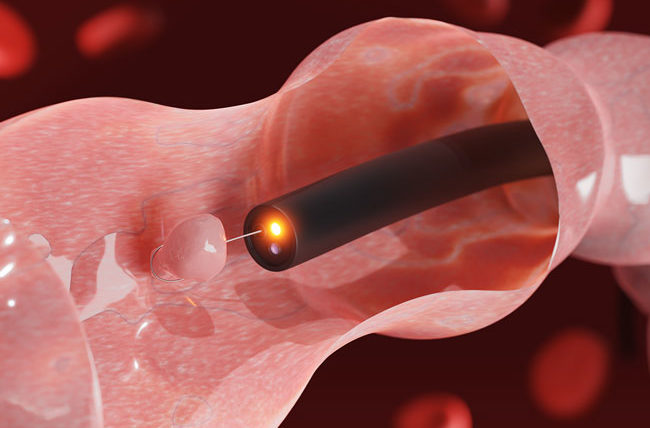
A large polyp in the gastric body/antrum junction was the most common type. The polyp was large, characterized by dysplastic columnar epithelia. It was also associated with gastritis cystica profunda. Its morphology and location were similar to those of gastric hyperplastic polyps. Despite the varying clinical manifestations, these tumors have a common molecular basis.
There’s One Chronic Ulcer Appearing in Antrum
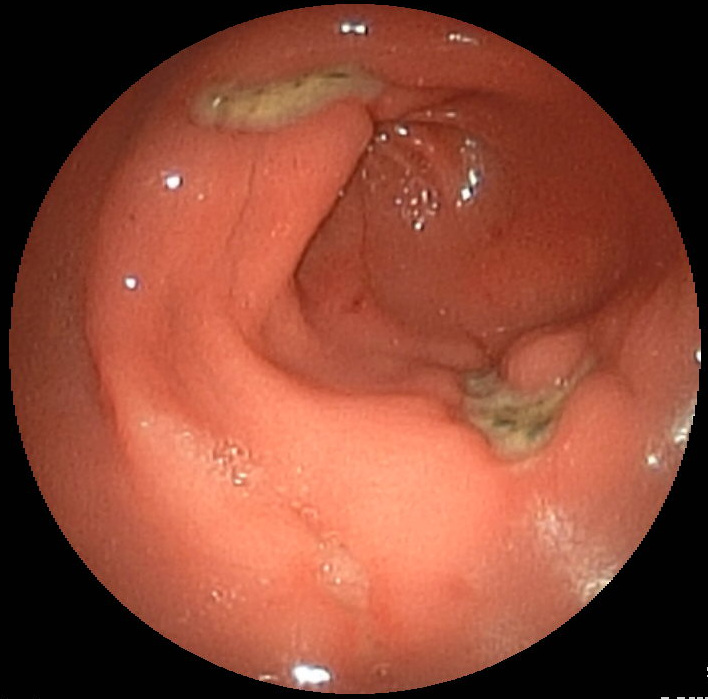
The mucosa is normally retracted around a large ulcer. In addition, the mucosa of the antrum has multiple well-circumscribed ulcers, which are present on retroflexion. There is a single chronic-appearing ulcer on the antrum. Other lesions are associated with a large xanthomatous lesion on the pylorus and a deep ulceration at the pylorus. The antral mucosa is sloughed up due to air insufflation, retching, or other surgical procedures.
Anatomical alterations of the gastric antrum are common in gastric ACA. A study conducted in Olmsted County, Minnesota, identified all gastric ACA cases in the population and defined the EGJ as the anatomic junction between the esophagus and the stomach. Additionally, the authors defined the cardia as all the gastric mucosa within 5 cm of the EGJ.
Reference:

